

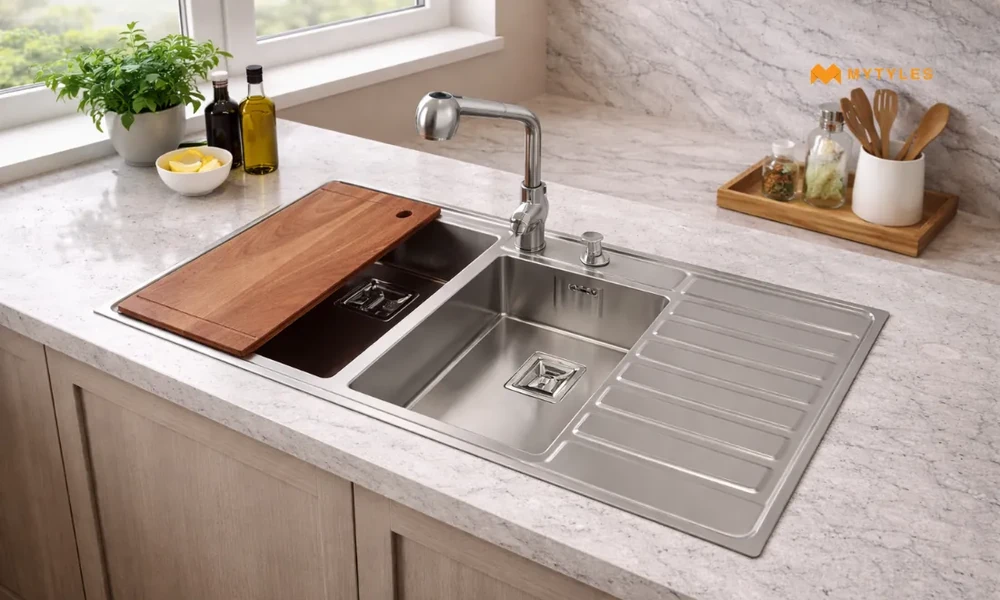
Choosing the right sink changes daily work. A kitchen looks better with a smart choice. Cleaning feels easier too. Cooking also feels smoother. A good sink supports every task. It handles prep wash and rinse with ease. It must also suit the space. That is why careful comparison matters. The best choice is not only pretty. It also lasts well and stays easy to care for. When looking at kitchen sink options you need clear thinking. Material shape finish and price all matter. So, the final choice should fit routine use and home style.
Material Matters More Than Looks
Material is the first big choice. Stainless steel is common and practical. It resists rust and handles daily use well. It also suits modern spaces easily. Fireclay feels classic and strong. It gives a smooth finish and a timeless look. Cast iron offers solid weight and a rich style. It often needs more care over time. Composite sinks feel sturdy and modern. They resist stains better in many kitchens. But each material has a different touch. Some feel softer. Some feel harder. Some show marks more easily. Now the right material depends on habits. Heavy cooking needs a tougher surface. Light use may allow a softer finish. So, the best material should match real kitchen life.
Durability Should Guide the Choice
Durability matters every single day. A sink sees sharp tools and hot water. It also faces constant scrubbing. Strong build quality can prevent trouble later. Thick steel usually feels more solid. Dense composite materials can resist impact well. Fireclay can stay beautiful for years. But chips may appear if care slips. Cast iron lasts long with proper treatment. Yet the finish can show wear. Sometimes a stronger sink costs more. Still that cost may save money later. A cheap sink may need replacement sooner. That brings stress and extra work. You should think about daily pressure.
Maintenance Can Save Time
Maintenance affects comfort after every meal. Some sinks need gentle wiping only. Others need regular polishing and drying. Stainless steel is often easy to clean. It usually handles soap and water well. Composite surfaces can also stay simple. They often resist stains and dull marks. Fireclay may need softer cleaners. Harsh scrubbing can damage the finish. Cast iron needs careful handling to protect the coat. A sink with fewer care steps feels better. It keeps the kitchen looking neat with less effort. That matters in busy homes. Good maintenance also supports hygiene.
Style And Use Should Work Together
A sink should suit the kitchen design. Shape depth and finish all shape the result. A deeper bowl helps with bigger pots. A single bowl supports simple cleaning tasks. A double bowl helps with sorting tasks. Wide edges may suit some counters better. Sleek lines may suit modern rooms. Sometimes style can hide useful details. So, the design should never ignore function. The best sink feels balanced in daily use. It looks right and works well. It stays strong and easy to care for. That balance creates lasting satisfaction. A smart choice brings comfort every day. It also helps the kitchen feel complete. The right sink supports cooking in a natural way. That makes the whole space more enjoyable.
