

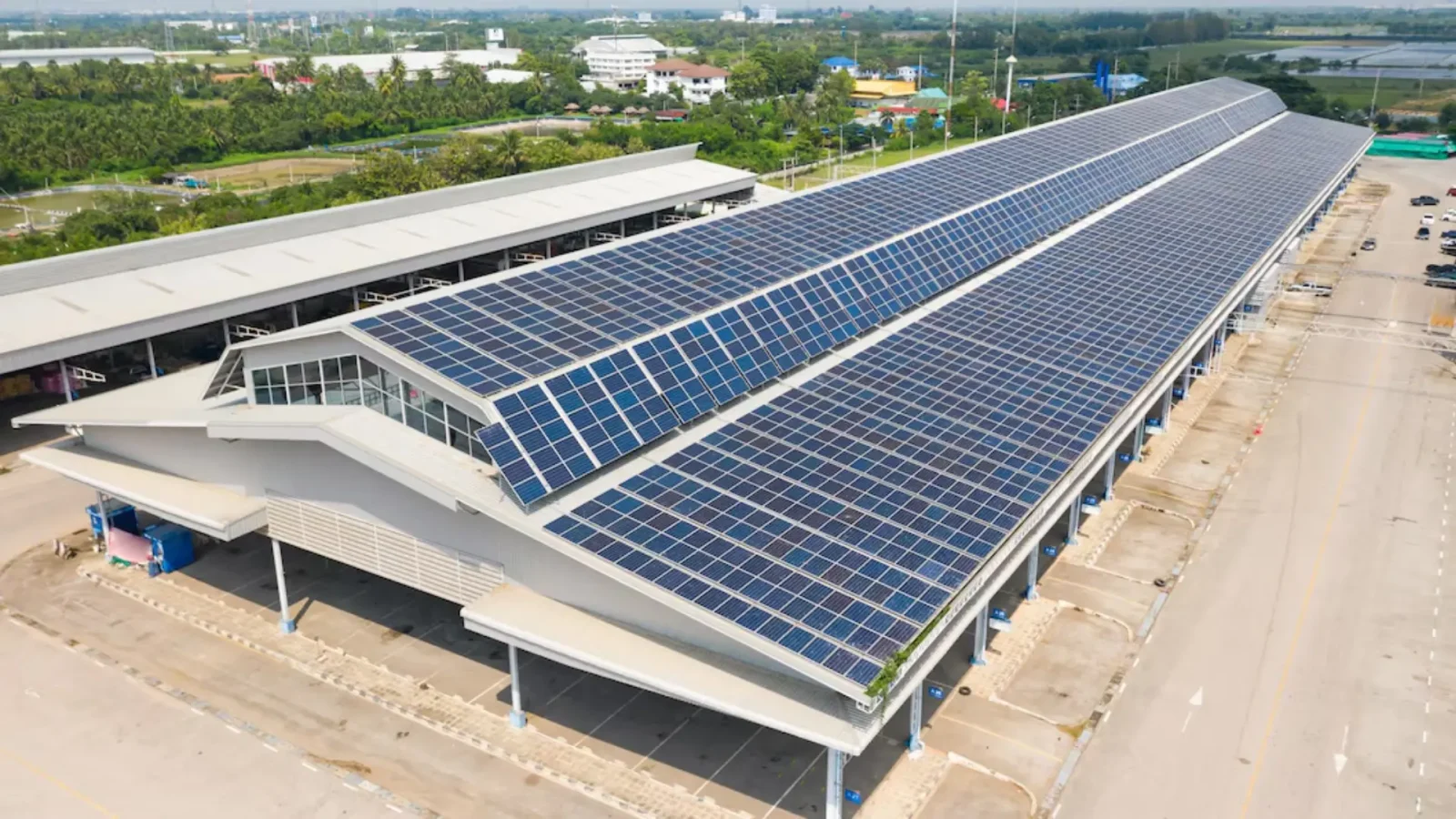
Booking a solar installation can feel like a leap into the unknown if you’ve never had one done before. Scaffolding, cabling, an electrician in the loft, it’s a fair bit more involved than most home improvement jobs, and homeowners often go in without a clear picture of what actually happens or how long it takes. Here’s a straightforward walkthrough of the whole process, from the first phone call to your system switching on.
Before installation day: what happens first
Most projects start with a quote based on your address, roof type, and rough electricity usage. This gives you a ballpark figure, but it’s not the final word. A proper survey comes next, and that’s when the real planning happens.
This stage is worth taking seriously rather than rushing through. Companies like Solar Panels Edinburgh typically walk homeowners through roof condition, shading from nearby trees, and where the inverter will actually sit before any installation date gets confirmed. Getting this right upfront avoids surprises once the crew turns up.
The initial site visit and survey
A technician will usually visit in person to check your roof structure, take precise measurements, and confirm your electrical setup can handle the new system. They’ll look at your consumer unit, note where cabling will need to run, and check loft access if that’s where the inverter is going.
This visit typically takes an hour or two. You’ll get a final design showing exact panel placement, and this is your chance to ask questions about anything you’re unsure about, whether that’s noise, appearance, or how the system will look from the street. Once you sign off, installation gets scheduled, usually a few weeks out depending on how busy the installer is.
Installation day, step by step
Installation day itself is usually quicker than people expect. For a typical home, most jobs wrap up in a single day, occasionally two if the roof is complex or the system is larger than average.
The crew will start with scaffolding or ladders to access the roof safely. Mounting brackets go up first, fixed into the rafters rather than just the tiles, which is what actually holds the weight securely. Panels are then fitted onto these brackets, wired together, and connected down to the inverter, which is where the DC electricity from the panels gets converted into something your home can actually use.
Firms such as Solar Panels Birmingham generally handle the roof work and the electrical work as one coordinated team, rather than sending separate crews on separate days. That tends to mean less disruption and fewer gaps where your home is half-finished with panels but no working connection.
Expect some noise and activity around your home for most of the day. Electricians will need access to your consumer unit and possibly your loft. It’s sensible to move vehicles away from the immediate work area and let any pets know it’s not a normal quiet day.
Inspection and switching on
Once the physical installation is complete, the system needs to be tested and signed off before it’s actually turned on. An electrician will run checks to confirm everything is wired correctly and generating power safely.
There’s also a certification process behind the scenes. Your installer registers the system so it meets local electrical and grid connection standards, and this paperwork matters if you ever sell your home or need to make a warranty claim later. Don’t be surprised if the panels are physically fitted a day or two before everything is officially switched on and generating.
What normal looks like in the first few weeks
Once your system is live, you’ll likely check the monitoring app constantly for the first week or two. That’s normal. Output will vary a lot depending on weather, time of year, and time of day, so don’t panic if one cloudy Tuesday looks unimpressive compared to a bright Saturday.
It’s worth keeping an eye on your first couple of electricity bills to see the difference start to show. Most installers will also do a follow-up call or visit within the first few weeks to make sure everything’s performing as expected and answer any questions that have come up once you’ve been living with the system for a bit.
Solar installation isn’t as disruptive as most people fear once they know what’s coming. A good survey beforehand, a well-coordinated installation day, and proper sign-off at the end are what separate a smooth job from a stressful one.
