

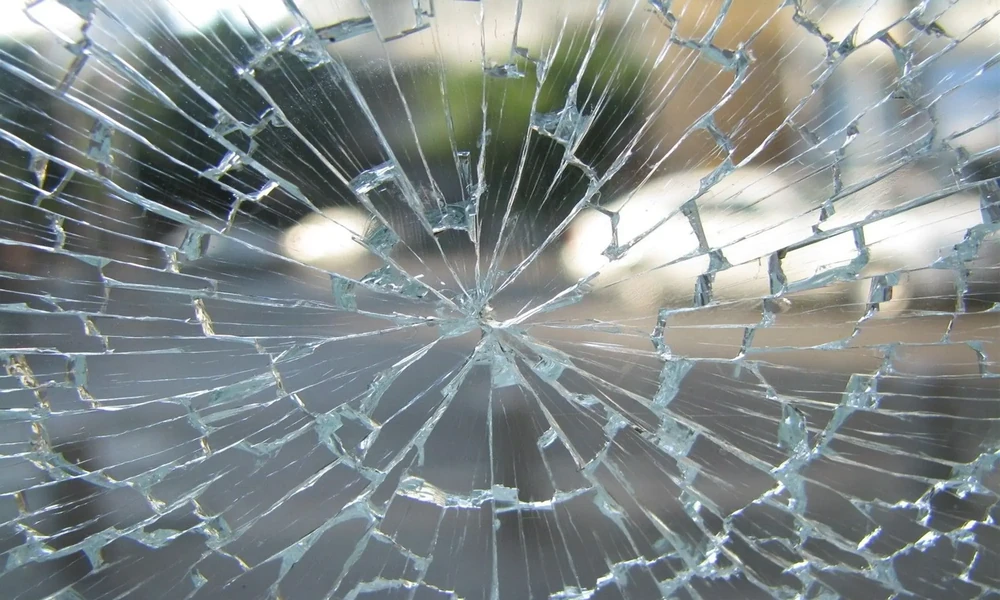
A cracked window rarely feels like an emergency at first. It’s a hairline fracture in the corner of a pane, a chip from a rock kicked up on Highway 89, or a spiderweb pattern that showed up overnight in a storefront after a hard freeze. Most people notice it, decide it can wait, and then watch it slowly get worse over the following weeks.
That delay is understandable, but cracked glass in this part of Idaho does not stay small. Temperature swings between a cold night and a sunny afternoon put constant stress on a compromised pane, and a crack that started an inch long in October can run the width of the window by December. Residents who look into Nu-Vu Glass Montpelier are usually calling before the crack becomes an emergency, while it’s still a simple repair instead of a full pane replacement.
Nu-Vu Glass has handled enough of these calls in Bear Lake County to know that most cracked glass falls into a handful of categories, and each one gets fixed a little differently.
Why Cracks Show Up More Often Here
Glass doesn’t crack randomly. In a place with sharp seasonal swings and long stretches of gravel and highway driving, a few specific causes come up again and again:
- Thermal stress from rapid temperature changes. Glass expands and contracts with heat, and when one part of a pane warms faster than the rest, the uneven stress can split the glass along a stress line that was already there.
- Impact from road debris. Rural highways and gravel side roads kick up gravel and rock chips that windshields and ground-floor storefront windows take the brunt of, often as small chips that spread into full cracks weeks later.
- Settling and frame movement. As a building’s foundation shifts slightly with freeze-thaw cycles, window frames can twist just enough to put pressure on the glass itself, especially in older construction.
- Age and prior damage. A pane that’s already absorbed one impact loses structural integrity and becomes more likely to crack fully after a second, smaller stress.
How the Repair Process Works
Getting cracked glass fixed depends on what cracked and where. Here are a few of the more common paths:
- Residential window glass. A cracked pane in a home is usually assessed to determine whether just the glass unit needs replacing or the entire frame, particularly if the crack has affected the seal on a double-pane window.
- Storefront and commercial glass. Business owners typically need a faster turnaround, since a cracked storefront window affects both security and appearance. Temporary boarding is sometimes used to protect the space until the replacement glass arrives.
- Auto glass. Windshield chips are often repairable if caught early, while cracks that spread across the driver’s sightline usually require full replacement rather than a patch.
- Specialty glass. Mirrors, shower enclosures, and glass railings each have different sourcing and installation requirements, so repair timelines vary more than standard window glass.
What to Check Before Calling Someone Out
A little information upfront speeds up the whole process. Before making a call, it helps to know:
- Whether the crack goes all the way through the pane or is only on one surface.
- Roughly how long the window or door has had the crack, since that affects whether structural movement is still happening.
- Whether the affected glass is part of a double-pane unit, since that changes what needs replacing.
- Whether the space needs to stay secure in the meantime, particularly for storefronts or entry doors.
The Difference Between a Patch and a Real Fix
A quick patch can buy time, but it rarely solves the underlying problem. Tape over a cracked window pane holds back drafts for a week or two at most, and a temporary seal on a chipped windshield only delays the inevitable spread across the glass.
Most people who call about a cracked window aren’t asking because the crack has finally become unbearable. They’re asking because they’ve watched it grow just enough to know it isn’t going to stop on its own.
