

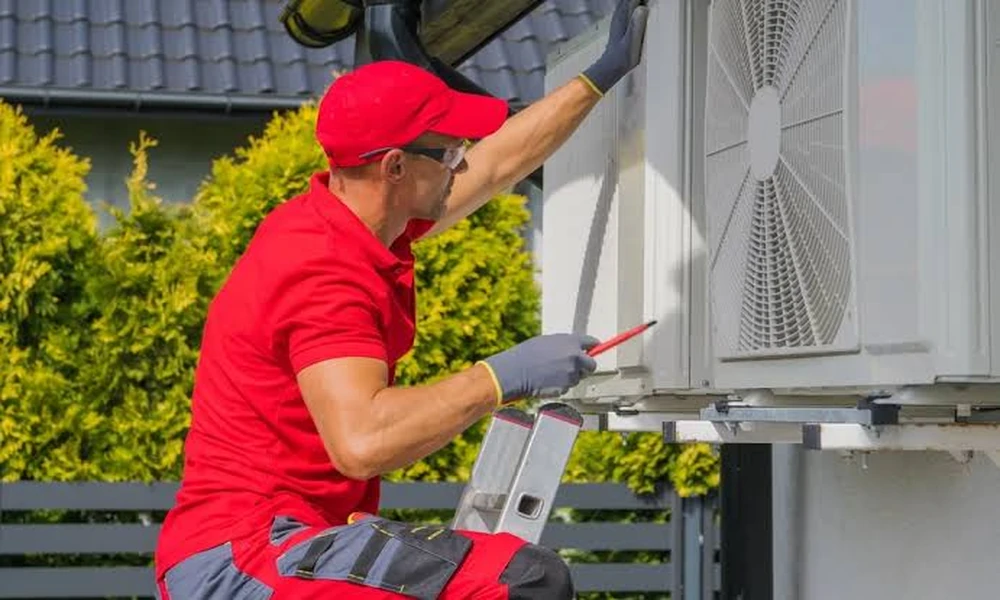
Your HVAC system works hard throughout the year to keep your home comfortable, whether it’s cooling your living spaces during the summer or providing reliable warmth in the winter. Because it operates so consistently, it’s easy to take it for granted until something goes wrong. However, like any major home system, your HVAC equipment performs best when it’s properly maintained and given regular attention.
Routine care not only helps improve energy efficiency but can also reduce unnecessary wear and tear, lower utility costs, and minimize the risk of unexpected breakdowns. If you do notice a change in performance, unusual noises, or inconsistent temperatures, seeking reliable HVAC repair in Toppenish, WA from experienced professionals can restore your system quickly before minor issues develop into more costly repairs. A few simple maintenance habits can go a long way toward extending the life of your HVAC system and keeping your home comfortable throughout every season.
Schedule Annual Professional Maintenance
One of the most effective ways to extend your HVAC system’s lifespan involves professional tune-ups. Technicians inspect components, clean vital parts, and identify potential issues early. Aim for service in both spring and fall before peak seasons. These visits typically include checking refrigerant levels, testing electrical connections, and lubricating moving parts. Consistent professional care can add years to your equipment while maintaining energy efficiency.
Change Air Filters Regularly
Clogged filters force your system to work harder, increasing wear on the blower motor and other components. Replace standard filters every one to three months, or more frequently if you have pets, allergies, or live in a dusty area. Choose high-quality filters that balance airflow and filtration. This simple habit prevents strain on the system and improves indoor air quality at the same time.
Keep the Outdoor Unit Clean and Clear
The condenser unit outside accumulates dirt, leaves, grass clippings, and debris that restrict airflow. Gently clean the fins with a soft brush or garden hose monthly during the cooling season. Maintain at least two feet of clearance around the unit by trimming vegetation and removing any stored items. Proper airflow allows the system to release heat efficiently, reducing compressor workload and preventing overheating.
Maintain Proper Thermostat Settings
Extreme temperature swings stress the HVAC system. Set your thermostat to a comfortable yet moderate temperature and avoid frequent adjustments. Using a programmable or smart thermostat helps maintain consistency while saving energy during unoccupied hours. In summer, aim for 78°F when home and higher when away. In winter, 68°F provides comfort without overworking the furnace.
Seal Duct Leaks and Insulate Properly
Leaky ducts cause your system to lose conditioned air, forcing it to run longer to reach the desired temperature. Inspect visible ducts for gaps and seal them with mastic or foil tape. Adequate insulation in attics, walls, and crawl spaces also reduces the load on your HVAC equipment. Well-sealed and insulated homes allow systems to operate less frequently, extending component life.
Clean Indoor Coils and Vents
Dust and debris buildup on evaporator coils reduces heat exchange efficiency. While homeowners can vacuum accessible return vents, professional coil cleaning is recommended annually. Keep supply and return vents free of furniture and rugs to maintain unrestricted airflow. Blocked vents create pressure imbalances that strain the blower and other parts.
Use Ceiling Fans to Support Your System
Ceiling fans help circulate air, allowing you to raise the thermostat a few degrees in summer or lower it in winter without sacrificing comfort. This reduces overall runtime for both heating and cooling. Remember to reverse fan direction seasonally counterclockwise in summer for a cooling breeze and clockwise in winter to push warm air down.
Address Minor Issues Promptly
Strange noises, reduced airflow, or uneven temperatures often signal developing problems. Ignoring them allows small issues to become major repairs or premature system failure. Prompt attention to refrigerant leaks, unusual smells, or short cycling prevents cascading damage to the compressor and other expensive components.
Consider System Upgrades and Zoning
Older systems may benefit from upgrades to more efficient models with variable-speed technology. Zoning systems allow you to heat or cool only occupied areas, reducing overall wear. When replacing components, ensure proper sizing through a Manual J load calculation. An oversized or undersized unit cycles excessively, shortening lifespan.
Monitor Energy Consumption and Performance
Track your energy bills for unexpected spikes that may indicate declining efficiency. Modern smart systems provide alerts for maintenance needs or performance drops. Stay attentive to changes in noise levels, humidity control, or cooling/heating capacity. Early intervention often involves simple adjustments rather than full replacements.
Protect Your Investment Year-Round
Beyond seasonal care, develop good habits such as changing batteries in thermostats, keeping pets away from indoor units, and avoiding blocking vents. During extreme weather, minimize system strain where possible. A well-maintained HVAC system typically lasts 15 to 20 years or more, depending on the type and usage patterns.
By implementing these practices consistently, you protect your comfort and save money on energy and repairs over time. A proactive approach transforms HVAC care from a reactive chore into a straightforward routine that pays dividends for years. Whether performing simple tasks yourself or scheduling professional service, every effort contributes to reliable performance and greater peace of mind throughout the seasons.
Conclusion
Taking care of your HVAC system doesn’t have to be complicated, but it does require consistency. Simple tasks such as changing air filters, scheduling routine maintenance, keeping the outdoor unit clear of debris, and addressing small issues as they arise can make a significant difference in your system’s performance and lifespan. These preventative measures not only improve energy efficiency but also help reduce the risk of unexpected breakdowns and costly repairs.
By making HVAC maintenance part of your regular home care routine, you’ll enjoy more reliable heating and cooling, better indoor comfort, and greater peace of mind throughout the year. A little attention today can help protect your investment and keep your system running efficiently for many years to come.
