

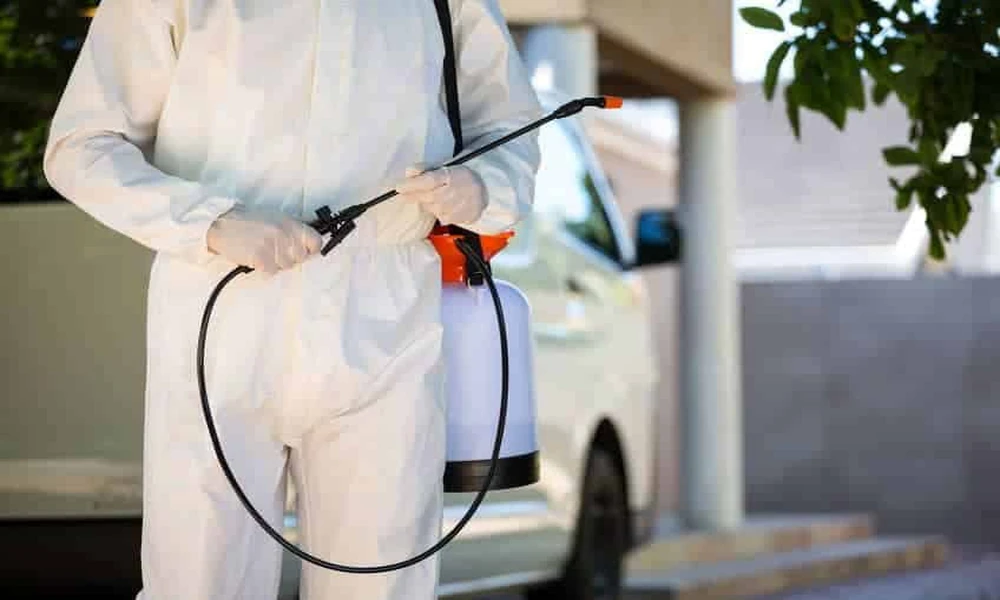
A can of insect spray may be enough for a few ants in the kitchen. When they keep appearing in the same spot, though, there may be a nest nearby or an entry point that needs attention. Termites and bed bugs bring different problems, and the wrong treatment can waste time while the infestation continues. That’s when professional pest control services can help identify the source and choose a treatment suited to the pest.
What a Store-Bought Spray Can and Cannot Do
Store-bought sprays can help with a few ants or spiders, and bait may work on an occasional roach. The problem begins when the pests keep showing up. Spraying a cockroach on the counter does little about the ones hiding behind the cabinets or breeding inside wall voids. Some pest populations have also developed resistance to commonly used insecticides, which can make certain products less effective. Picking the wrong product for the pest wastes time and money, too. A trained technician can identify the species, find where it nests, and choose a treatment suited to that infestation. Repeated trips to the store for products that miss the source can end up costing more than a professional visit, with the pests still there afterward.
Problems That Need a Professional
Some pests disappear with a weekend of effort. Others need a licensed technician from the start:
- Termites. They hollow out structural wood from the inside, and treating them means a soil barrier or a bait system around the foundation, not a can of spray.
- Bed bugs. They hide in seams and cracks and resist most retail products, so clearing them usually takes heat or professional-grade treatment and follow-up visits.
- German cockroaches. They breed fast and shrug off common sprays, which lets a small problem become an infestation within weeks.
- Rodents in the walls. Trapping the ones inside and sealing the openings they use takes more than a few snap traps.
- Recurring or large infestations. A problem that returns after each treatment points to a source a homeowner has not found.
Why a Licensed Company Does More Than Spray
A professional brings licensing, training, and products that no hardware store sells. In Oklahoma, the Department of Agriculture, Food and Forestry licenses pest control companies and the applicators who treat homes. A technician passes a state exam, works under a business license, and the company maintains insurance for any damage during treatment. That training shows in the work. A licensed technician identifies the pest, finds the source, and places treatment where the pest lives and travels. Palisade Pest Control serves Tulsa with this kind of licensed, targeted service, and it backs recurring plans with return visits when a problem appears between them.
What a Professional Visit Involves
A professional job starts with inspection, not treatment. The technician walks the property, identifies the pest, and finds where it nests, feeds, and gets inside. That step shapes everything that follows, because the same insect can call for different treatment depending on where it lives. The technician then treats those specific points and, on a recurring plan, returns on a set schedule to catch new activity before it builds. A good company also explains the steps a homeowner can take between visits, such as correcting moisture, sealing gaps, and storing food in closed containers. Treatment works better and lasts longer when the conditions that drew the pest change along with it.
Deciding When to Make the Call
A simple test helps. If the pest is dangerous, destructive, or keeps coming back, the job calls for a professional. If a few insects appear and respond to cleaning and a careful treatment, a homeowner can handle it. Paying for a pro early on termites or bed bugs costs less than the damage or the spread that follows waiting. A short phone call often settles the question on its own, since a reputable company will say whether a problem truly needs a visit before sending anyone out. Matching the response to the pest keeps a small Tulsa problem from turning into a large one.
