

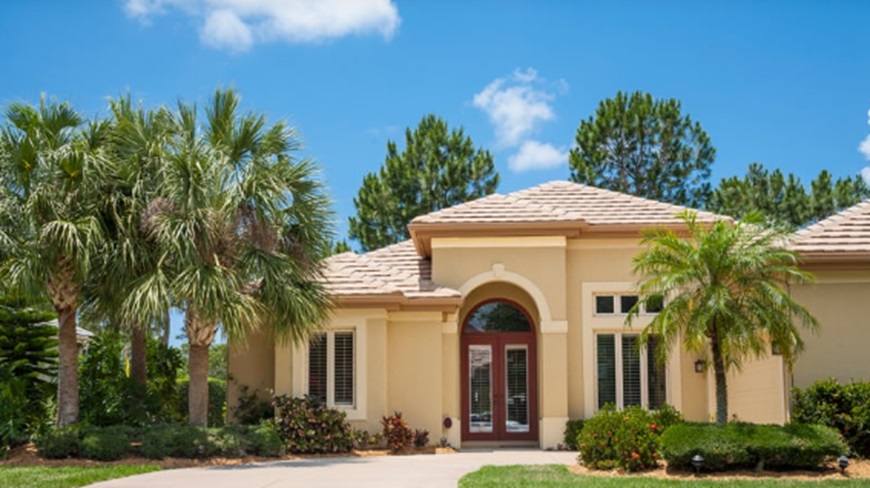
Building a home is an exciting yet complex process that involves various stages, requiring careful planning and expertise. From the initial design to the finishing touches, each step is crucial to bringing your vision to life. Enlisting the help of experts like those specializing in home construction in Athens, TN, ensures the process runs smoothly and meets your expectations. To better understand how houses are built, we’ve broken down the construction process step by step.
1. Preparing the Site and Foundation
Before construction begins, the site is prepared to ensure it’s ready for building.
This step involves clearing the land of any debris, trees, or obstacles. Once the site is leveled, professionals lay out the foundation, which is typically a concrete slab, crawlspace, or full basement, depending on the design and location. Proper site preparation and foundation work are essential, as they form the structural base of your home.
Importance of Soil Testing
Before the foundation is poured, soil testing is often conducted to ensure the ground is stable and suitable for supporting a structure. This ensures long-term durability and minimizes the risk of foundational issues developing in the future.
2. Framing the Structure
Once the foundation is set, framing begins, creating the skeleton of your home.
This step includes constructing the walls, floors, and roof structure using wood or steel. The framing provides the home’s basic shape and defines the layout of rooms and spaces. Openings for doors and windows are also framed during this stage. Careful and precise framing ensures the structural integrity of the entire house.
Adding Sheathing and Protective Barriers
After the frame is completed, builders add exterior sheathing, like plywood, and then protective barriers like house wrap. These steps help keep out moisture and improve energy efficiency before the exterior finishes are applied.
3. Roofing and Exterior Work
The next phase includes installing the roof and exterior components like siding and windows.
Roofing materials such as shingles or tiles go on at this point to protect the interior of the home. Professionals then add siding, brickwork, or other cladding materials to complete the exterior walls. Windows and exterior doors are also installed, giving the home its finished outer appearance.
Importance of Weatherproofing
By this stage, weatherproofing is critical to protect the interior construction work from elements like rain and wind. Proper insulation and sealing techniques are applied to maintain safety and energy efficiency.
4. Plumbing, Electrical, and HVAC Installation
With the home’s shell in place, the interior systems are installed, including plumbing, electrical, and HVAC (heating, ventilation, and air conditioning).
Plumbers and electricians run pipes and wiring through the walls, floors, and ceilings, preparing for fixtures and outlets. HVAC systems are installed to regulate indoor air and temperature. These installations lay the groundwork for functional and comfortable living spaces.
Inspections at Every Stage
During these installations, several inspections take place to ensure the work meets building codes and safety regulations. Passing inspections at this stage is critical before further work can proceed.
5. Interior Finishes and Fixtures
The focus then shifts to making the interior livable and aesthetically pleasing.
Drywall is installed and painted, flooring is laid, and cabinets, countertops, and other built-in elements are added. Light fixtures, plumbing fixtures like sinks and toilets, and appliances are placed during this phase. Customization options during this step allow homeowners to create a space uniquely suited to their style.
Final Touches
Once the main finishes are complete, smaller details like hardware, backsplashes, and trim work are done to give the home a polished, cohesive look.
6. Final Inspections and Handover
The final step in the construction process is a series of last inspections to ensure everything is up to code and ready for occupancy.
Inspectors check the plumbing, electrical, and structural integrity of the home one last time. Builders clean the home and prepare it for handover, walking the homeowner through the final product to ensure satisfaction.
Post-Construction Support
Many professional builders offer post-construction support, handling any issues that might arise after move-in, ensuring long-term comfort and reliability.
Read more: Top services offered by custom home contractors
Conclusion
Building a house is a detailed process, but with careful coordination and the right expertise, it becomes an exciting experience. By understanding the construction steps and working with professionals, you can turn your dream home into a reality. Each stage, from site preparation to the final walkthrough, plays a vital role in creating a safe, functional, and beautiful living space tailored to your needs.
