

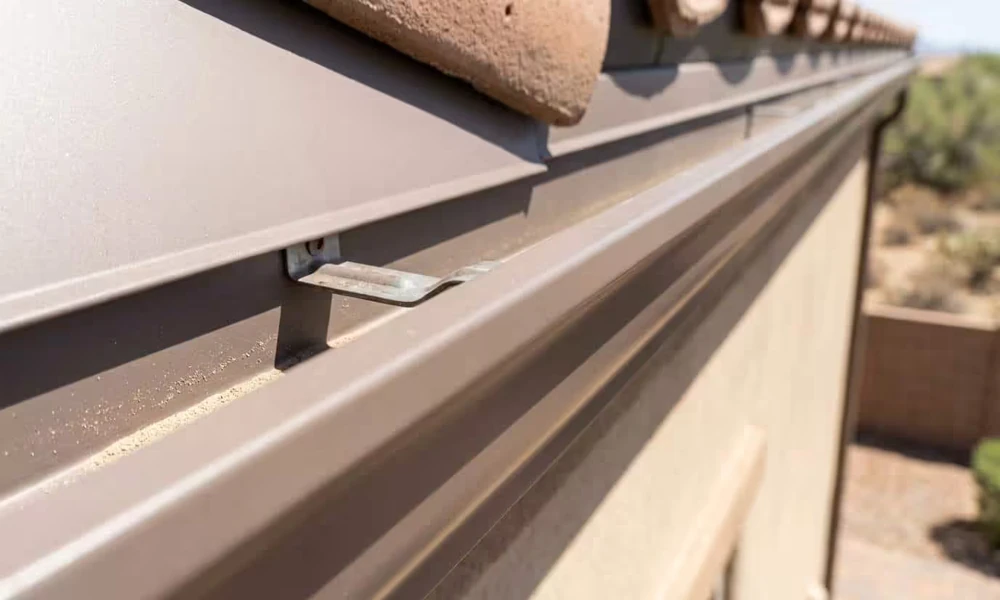
Ask ten homeowners what their gutters are made of and most will shrug. Yet the material you choose affects how long the system lasts, how it looks, how it handles weather, and how much attention it demands over the years. A decision that seems minor during a roof or siding project can shape your maintenance routine for decades. Before you commit, it helps to understand how the common options differ. Many homeowners start that conversation with specialists like The 4 Seasons of Seamless Gutters, who can explain how each material performs in the local climate and what suits a particular home.
Rather than a seasonal walkthrough, a storm guide, or a maintenance list, this article compares the materials themselves, one at a time.
Aluminum: The Popular All-Rounder
Aluminum is the most common gutter material in many regions, and for good reason.
Strengths:
- Lightweight and easy to work with
- Naturally resistant to rust
- Available in a wide range of colors
- Easy to form into continuous runs on site
- Generally moderate in cost
Trade-offs:
- Can dent from ladders, hail, or falling branches
- Thinner gauges may bend or sag under heavy loads
- Color finishes can fade over time in strong sun
Thickness matters. A heavier gauge aluminum resists denting and sagging far better than a thin one, so ask what gauge is being offered.
Steel: Strong but Needs Care
Galvanized or coated steel offers more rigidity than aluminum and holds up well under heavy loads.
Strengths:
- Strong and resistant to denting
- Handles heavy debris and weight better than lightweight metals
- Often available with protective coatings
Trade-offs:
- Can rust if the coating is scratched or worn
- Heavier, which makes installation more demanding
- May need touch-ups in damp or humid conditions
Steel suits homes that need extra strength, but the protective finish deserves regular attention.
Copper: The Premium Choice
Copper is the showpiece of gutter materials. It begins with a bright, metallic glow and gradually develops a soft green patina as it ages.
Strengths:
- Exceptional durability and long lifespan
- Does not rust
- Distinctive appearance that suits historic and high-end homes
- Needs very little finishing or painting
Trade-offs:
- Significantly higher cost
- Requires skilled installation, including proper soldering
- The color changes over time, which not everyone prefers
Copper is as much a design choice as a functional one, so it tends to appear on homes where architecture is a priority.
Vinyl: The Budget-Friendly Option
Vinyl gutters are lightweight, inexpensive, and often sold in do-it-yourself kits.
Strengths:
- Low upfront cost
- Easy to cut and snap together
- Will not rust or corrode
Trade-offs:
- Can become brittle in extreme heat or cold
- May crack, warp, or sag over time
- Limited color choices and less polished appearance
- Sections are joined together, which means more seams that can leak
Vinyl can work for sheds, small structures, or mild climates, but it is not usually the first choice where weather swings are dramatic or intense sun is common.
Side-by-Side Comparison
| Material | Durability | Maintenance | Relative Cost | Best For |
|---|---|---|---|---|
| Aluminum | Good | Low | Moderate | Most homes |
| Steel | Very good | Moderate | Moderate to higher | Heavy loads and debris |
| Copper | Excellent | Very low | High | Historic or premium homes |
| Vinyl | Fair | Low to moderate | Low | Small projects, mild climates |
Why Seamless Construction Matters Regardless of Material
Whatever material you choose, how it is assembled matters. Seamless gutters are formed from a continuous piece of metal to fit each run, which leaves fewer joints where water can escape. Seams are typically needed only at corners and end caps. Fewer joints generally mean fewer leaks and less sealant to maintain over time. Seamless construction is usually associated with metals like aluminum, steel, and copper, since they can be formed on site.
Other Factors That Matter
Material is only one part of the decision. Consider these too:
- Size and shape. Common profiles include K-style and half-round. Larger troughs and downspouts handle more water.
- Thickness or gauge. Heavier material resists damage and sagging.
- Hangers and fasteners. Strong, closely spaced hangers keep the system from pulling away.
- Finish and color. Choose a color that complements the siding and trim.
- Downspout placement. Good drainage planning protects the foundation as much as the gutter itself.
Climate and Sustainability Considerations
Local weather should influence your choice. Intense sun, big temperature swings, heavy snow, and strong storms all stress materials differently. Sustainability can matter too. Aluminum, steel, and copper are all recyclable at the end of their service life, which reduces waste. The U.S. Environmental Protection Agency explains the benefits of recycling metals in its guide to common recyclable materials, which is a helpful read if environmental impact is part of your decision.
Questions to Ask Before You Buy
- What material and gauge do you recommend for my home and climate?
- How are seams, corners, and end caps sealed?
- What warranty covers the material and the installation?
- How will the system handle my roof’s water volume?
- What upkeep should I expect over the next ten years?
Final Thoughts
There is no single best gutter material, only the best fit for your home, budget, and climate. Aluminum suits most situations, steel adds strength, copper adds beauty and longevity, and vinyl keeps costs down for simpler needs. Weigh durability against price, think about how the material handles your local weather, and ask questions before you sign. The right choice will quietly do its job for years.
