

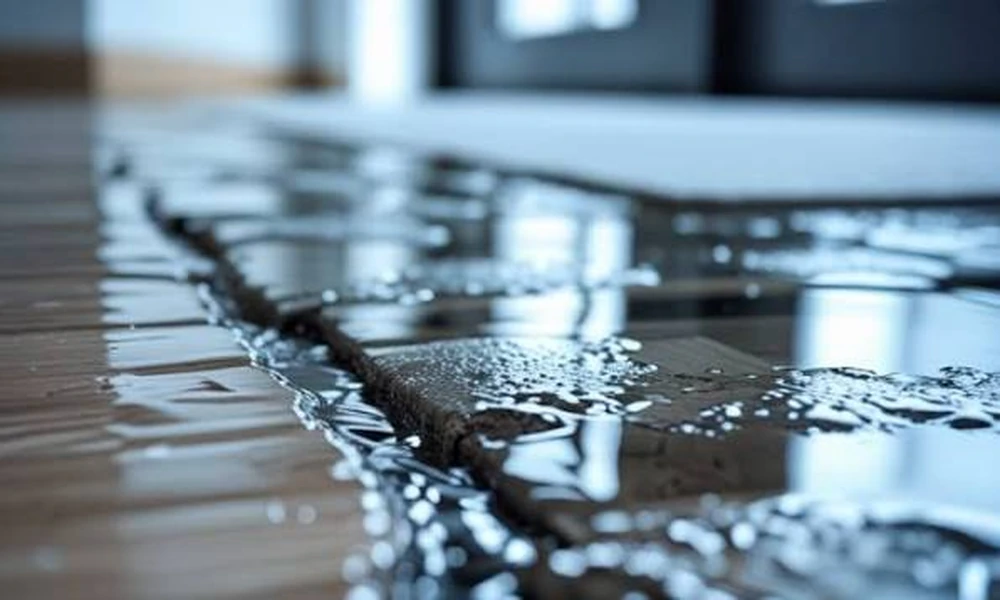
Most people in East Texas think of summer as the rough season for a house. The ground bakes, the grass gives up, and a gap opens between the flower bed and the brick. What gets less attention is what comes next. When the first real fall rains arrive, that same clay soil starts drinking water again and swelling back up. The foundation that sagged at its edges in August gets pushed from below in October. A slab can go through two meaningful movements in one year, and the pipes buried inside it have to absorb both.
That is the heart of the problem. Water supply lines and drain lines under a slab home are locked in place when the concrete is poured. They are not built to bend. Copper, older galvanized steel, and cast iron drains all handle stress poorly when one section of the slab drops and a neighboring section stays put. The pipe becomes the weak link in a tug of war between shifting soil and heavy concrete. Sometimes it fails as a hairline crack at a fitting. Sometimes it is a pinhole that has been widening for years and finally gives way when the ground moves one more time.
For homeowners in this part of Texas, local experience matters. Elephant Plumbing is a family-owned company run by owner Clay, a Master Plumber (License #43203) with more than 20 years in the trade, and leak detection is the work they are known for, including finding small leaks other crews miss. If you suspect trouble beneath your foundation, their team handles Mabank Slab Leaks from pinpointing the exact spot to replacing damaged water or sewer lines, with free estimates and emergency service when the water can’t wait. They also serve Log Cabin, Malakoff, Myrtle Springs, Payne Springs, Trinidad, Van, Kemp, Seven Points, and Kaufman, so help is close whether you live in town or out by the lake.
Why the Shoulder Season Deserves a Second Look
Foundation specialists across Texas point out that drought often does more cumulative damage than heavy rain. Clay loses volume as it dries, and the perimeter of a slab dries much faster than the shaded soil under the middle of the house. The result is a slab supported in the center and hanging at the edges. Large trees add to it, since a mature oak pulls a surprising amount of water from the ground on a hot day, including from beneath your foundation.
Then fall flips the script. Rain seeps into cracks that opened over summer and reaches deep soil unevenly, so one corner swells before another. A pipe that was already strained in August often gets finished off by this rebound. That is why a leak can seem to appear from nowhere in October even though the damage began months earlier. And once a line breaks, the escaping water swells the soil around it while the rest stays dry, adding fresh stress to the slab and to nearby pipes.
The Weekend Home Problem
Cedar Creek Lake draws plenty of part-time residents to Henderson and Kaufman counties. Lake houses, fishing cabins, and seasonal homes that sit empty for weeks carry a particular risk. Nobody is there to notice a warm spot on the tile, a faint hiss behind a wall, or a meter that keeps spinning. A slow supply line leak can run for a month before anyone walks through the door.
A few habits help. Close the main valve when you leave for more than a few days. Check your utility bill online each cycle for jumps that don’t match your visits. When you arrive, look at the water meter before turning on a single tap. If the leak indicator moves with everything off, water is going somewhere.
Clues Worth Taking Seriously
Hidden leaks rarely start with a puddle. The early signs are quieter:
- A water bill climbing with no change in your habits
- A warm patch on the floor, which usually points to a hot water line
- The sound of running water when every fixture is off
- A water heater that seems to run constantly
- Lifting flooring, musty smells, or mildew along baseboards
- New drywall cracks, sticking doors, or stair step cracks in exterior brick
- Weaker water pressure than you remember
- A strip of unusually green or soggy ground beside the foundation
One of these alone may mean nothing. Two or three together deserve a professional look.
How the Repair Usually Unfolds
Finding the leak comes first. Pressure testing confirms which line is losing water, then acoustic listening gear, thermal imaging, and camera inspection for drains narrow it down to a small area. Nobody should be breaking concrete on a hunch.
Once the spot is known, there are a few ways forward.
| Repair route | What happens | Tends to fit when | What to weigh |
|---|---|---|---|
| Direct spot repair | Concrete is opened above the leak and the bad section is replaced | The leak is isolated and the rest of the pipe is healthy | Flooring and concrete need patching |
| Tunneling | The crew digs under the slab from outside | Interior floors are costly or hard to match | More labor, but the inside stays untouched |
| Reroute | The failed line is abandoned and a new one runs through walls or attic | Pipes are aging or have leaked before | Skips slab work, though walls need access holes |
| Full line replacement | Supply or sewer lines are replaced in larger runs | Repeated leaks or corroded galvanized and cast iron | Higher upfront cost, but resets the clock |
For older homes that have already had one leak, rerouting or replacing larger sections usually makes more sense than patching the same tired system again.
Where Insurance Draws Its Lines
Texas policies surprise a lot of people here. Many help pay to tear out and replace the part of the slab needed to reach the pipe, along with water damage to floors, drywall, and belongings when the failure is sudden. The pipe repair itself is often excluded. Foundation damage from soil movement usually is too, and leaks judged gradual can be denied as a maintenance issue.
Timing matters as a result. Photos, dated water bills, and a written leak detection report all strengthen a claim. Some Texas insurers also sell an endorsement covering foundation damage from plumbing leaks, typically capped at a percentage of the dwelling limit, so it is worth asking your agent before you need it.
Habits That Lower the Odds
Extend downspouts so roof water lands several feet from the house. Keep soil graded away from the foundation. Give large trees some distance, or ask an arborist about root barriers. Know where your main shutoff is and make sure it actually turns. And pay closer attention after the first heavy rains of fall, because that is when the ground under your home is moving most.
No slab stays perfectly still in Texas clay. The real goal is catching trouble while it is still a small hole in a pipe, not a wet floor, a cracked foundation, and a long conversation with an adjuster.
