

A homeowner and a commercial property manager approach tree maintenance from genuinely different starting points, one concerned mainly with personal enjoyment of a garden, the other managing liability across a space used by staff, tenants, or the public every single day. Tree maintenance matters for both, but the reasons and the stakes involved differ considerably between the two. Reviewing tree maintenance highlights just how much surrounding context genuinely shapes the right ongoing maintenance approach for any given property and its own particular circumstances.
Liability Exposure on Commercial Properties
A commercial property owner faces genuine liability if a poorly maintained tree causes injury to a visitor, employee, or passerby, a risk that carries legal and financial consequences well beyond the cost of routine maintenance itself and any single incident. This liability exposure alone justifies a more rigorous maintenance schedule than a typical residential property might otherwise require, and one that most insurers and legal advisors would strongly recommend adopting well before any incident actually occurs on site.
Aesthetic Priorities for Residential Gardens
Homeowners generally prioritise a garden’s appearance and personal enjoyment alongside safety, shaping maintenance decisions around how a tree looks and fits the overall landscaping vision for the property they have carefully built over many years. This aesthetic focus does not reduce the importance of safety, but it does noticeably shift the emphasis compared with a commercial setting focused primarily on risk management above all else, including appearance itself.
Scale and Frequency Differences
Commercial properties often manage considerably more trees across a larger footprint, requiring a more structured maintenance schedule and typically a dedicated contractor relationship rather than the occasional callout a homeowner might arrange for a handful of trees dotted across a garden. This difference in scale changes how maintenance is planned, budgeted, and executed considerably across the whole site, not just around a single specimen chosen somewhat at random.
Documentation Practices Worth Adopting
Keeping a simple record of inspection dates, work carried out, and any provider used gives a property owner a clear history to refer back to, whether for insurance purposes, resale, or simply tracking a tree’s condition and progress over time as it matures. Residential owners rarely bother with this, though even a basic log costs little effort and pays off considerably when a question arises later from a buyer, an insurer, or a concerned neighbour raising a formal dispute.
Insurance Requirements for Commercial Sites
Many commercial insurance policies require documented evidence of regular tree maintenance as a condition of coverage, particularly for older or larger specimens near parking areas, entrances, or pedestrian walkways used daily by staff and visitors alike. Understanding tree maintenance clarifies what kind of records an insurer might reasonably and fairly expect a commercial property to keep readily on file at all times.
Public Perception and Business Reputation
A commercial property with visibly neglected or hazardous trees sends a subtle but real signal about how seriously a business takes maintenance more broadly, an impression that can shape customer perception before anyone even reaches the front door or speaks to a single member of staff. Residential maintenance carries no equivalent reputational stake, though it still affects how neighbours and visitors quietly perceive a home and the people living in it day to day.
Budgeting Approaches for Each Property Type
Commercial properties typically budget for tree maintenance as a recurring operational cost planned carefully and annually well in advance, while residential owners more often treat it as an occasional expense addressed only when a specific, visible need arises. Neither approach is inherently wrong, but a planned budget generally produces more consistent, better-maintained results over time than reactive spending ever manages to achieve on its own.
Coordinating Maintenance Across Shared Commercial Sites
Commercial sites with multiple tenants or a shared management body often require coordination between several parties before maintenance work can proceed, a layer of complexity residential properties rarely encounter to anywhere near the same degree. Establishing clear responsibility for this coordination avoids maintenance falling through the gaps between different stakeholders who each assume someone else is handling it, a surprisingly common and entirely avoidable outcome on larger shared sites.
Shared Fundamentals Across Both Property Types
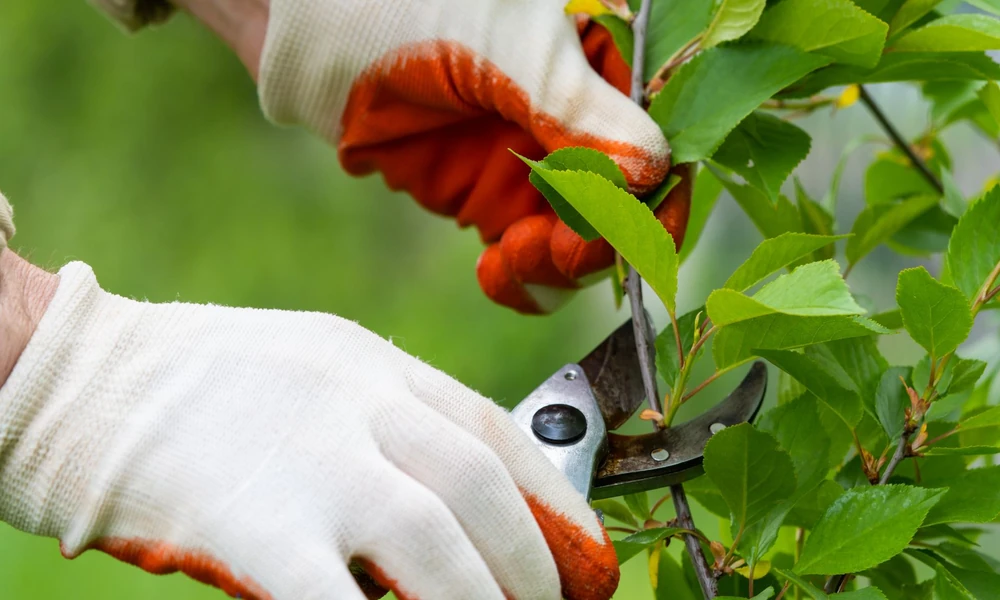
Despite these differences, both property types share the same underlying fundamentals of healthy tree care, regardless of scale or budget available, including proper tree pruning and prompt, unhurried attention to any early signs of disease or genuine structural weakness before either one has any real chance to worsen further.
Matching Maintenance to Property Context
Tree maintenance ultimately matters for every property, but the appropriate schedule, budget, and documentation should reflect the specific context, whether that context is a private garden or a commercial site carrying genuine liability exposure across a much larger footprint. Recognising this distinction leads to a maintenance approach that is neither excessive nor inadequate for the property actually being managed, saving both unnecessary expense and unnecessary risk in either direction over time.
