

A tape measure seems like a simple tool. You pull it out, read the number, and mark your cut. Easy, right? Well, not always. A lot of small mistakes in home projects start with a bad measurement. A shelf ends up too short. A cabinet does not line up. A curtain rod sits uneven. Sometimes the problem is not the project itself. It is the tape measure, or how it was used.
Choosing the right tape measure and using it properly can save time, money, and frustration. Whether you are hanging pictures, cutting lumber, measuring a room, or working on a repair, accurate measuring matters.
Why the Right Tape Measure Matters
Not every tape measure is the same. Some are better for quick household tasks. Others are made for construction, woodworking, sewing, or layout work. If you use the wrong type, the job can feel harder than it needs to be.
For example, a small 12-foot tape measure may be fine for measuring furniture. But it may feel too short when measuring a room or outdoor area. A wide 25-foot tape measure may be better for bigger projects, but it may feel bulky for small indoor tasks.
The right tape measure should match the job you do most often.
Common Tape Measure Types
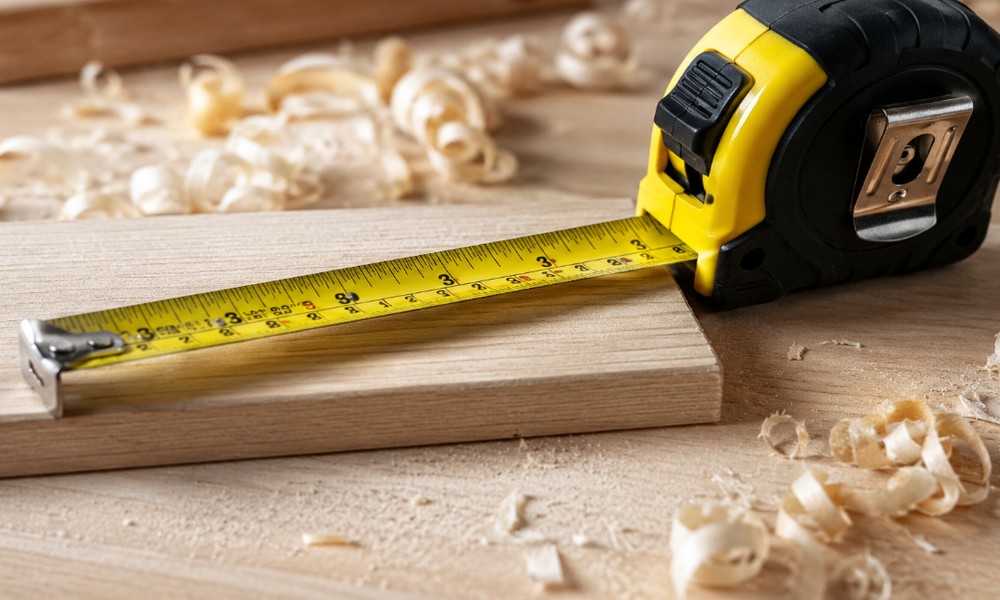
The most common type is the retractable steel tape measure. This is the one most people keep in a toolbox. It has a metal blade, a locking button, and a hook at the end. It works well for home repairs, carpentry, furniture measuring, and general projects.
A soft measuring tape is flexible and usually made from cloth, plastic, or vinyl. It is best for fabric, clothing, body measurements, or curved surfaces. It is not the best choice for construction because it can stretch or shift.
A long tape measure is useful for measuring yards, large rooms, property areas, or outdoor spaces. These can be 50 feet, 100 feet, or longer.
A laser measure is another option. It is helpful for measuring rooms quickly, especially walls, ceilings, and long distances. Still, it does not fully replace a regular tape measure for small details and hands-on work.
What Size Tape Measure Should You Choose?
For most homeowners, a 25-foot tape measure is a good all-around choice. It is long enough for rooms, walls, boards, and common repair jobs. It is also not too large for everyday use.
For small home tasks, a 12-foot or 16-foot tape measure can be enough. It is lighter and easier to carry. For construction or larger projects, a 25-foot or 30-foot tape measure is usually better.
If you often measure outside or across long spaces, consider a long tape measure instead.
Look at the Blade Width
Blade width matters more than people think. A wider blade is usually stiffer, which means it can extend farther without bending. This is called standout.
If you are measuring by yourself, a tape measure with good standout is helpful. You can extend it across a board, wall, or room without it collapsing right away.
A narrow blade may be fine for small projects, but it can be harder to use on longer measurements.
Check the Markings
A good tape measure should be easy to read. The numbers should be clear, dark, and spaced well. Some tape measures show fractions, which can help beginners. Others only show standard inch marks.
If you struggle to read tiny lines, choose a tape measure with larger numbers and clear markings. This small detail can prevent a lot of mistakes.
Also, make sure you know what the marks mean. The longest lines usually show inches. Half-inch marks are shorter. Quarter-inch, eighth-inch, and sixteenth-inch marks get smaller. Learning these marks makes measuring much easier.
Understand the Hook at the End
The metal hook at the end of a tape measure is supposed to move slightly. This surprises some people, but it is not broken.
The hook moves to account for inside and outside measurements. When you hook it over the end of a board, it pulls outward. When you push it against a wall for an inside measurement, it shifts inward. That small movement helps keep the measurement accurate.
If the hook is bent, loose, or damaged, your measurements may be wrong. Check it before important projects.
Use the Lock Properly
The lock button holds the tape in place after you pull it out. This makes it easier to read and mark. Do not let the tape snap back too fast when you release it. That can damage the hook, the blade, or your fingers.
Guide the tape back slowly. It takes one extra second, but it helps the tool last longer.
How to Measure Correctly
Start by placing the hook firmly on the edge of the material or surface. Pull the tape straight. Avoid bending it or measuring at an angle unless the project calls for it.
Keep the tape flat against the surface when possible. If the tape sags, twists, or lifts, the measurement may be slightly off.
Read the measurement at eye level. Looking from the side can cause a small error. This is especially important when measuring for cuts, cabinets, shelves, or anything that needs to fit tightly.
When marking a cut, use a sharp pencil and make a clear mark. A thick or messy mark can throw off the cut.
Measure Twice Before Cutting
The old saying is true. Measure twice, cut once.
Before cutting, drilling, or installing anything, check the measurement again. If the second measurement is different, measure a third time. It may feel slow, but it is much faster than fixing a bad cut.
This is especially important when working with expensive materials.
Avoid Common Measuring Mistakes
One common mistake is measuring from the wrong side of the mark. Another is letting the tape slip while reading it. Some people also forget to include trim, gaps, or clearance space.
If you are measuring for furniture, make sure to measure doorways and hallways too. A piece may fit the room but not fit through the door.
If you are measuring for shelves, curtains, or wall decor, use a level along with your tape measure. Accurate distance does not help much if the item is crooked.
Final Thoughts
A tape measure is one of the most useful tools you can own. But getting accurate results depends on choosing the right one and using it carefully.
For most people, a clear, durable 25-foot tape measure is a great choice. Look for easy-to-read markings, a strong hook, a smooth lock, and a blade that feels sturdy.
Once you have the right tape measure, take your time. Keep it straight. Read it carefully. Mark clearly. And always double-check before making a cut.
Good measuring may seem like a small step, but it can make the whole project easier, cleaner, and less stressful.
This post was written by a professional at Anawalt Lumber. Anawalt Lumber is a family-owned lumber yard and hardware store Los Angeles for over a century. Known for quality lumber, contractor supplies, hardware, and a full-service nursery, Anawalt provides personalized service for homeowners and licensed contractors. From job pricing and bulk discounts to special-order materials with fast delivery, Anawalt is your trusted local building supply partner in Malibu, West LA, and Hollywood.
