

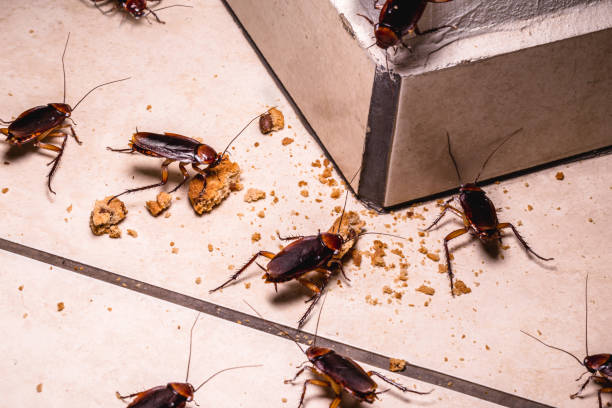
No one wants to think about their home or business harboring pests. But the reality is, pests like rodents, insects, and other unwelcome guests are more common than you might think—and they rarely show themselves until the infestation is well underway.
Whether it’s mice in the attic or cockroaches in the kitchen, early detection is key to preventing a full-blown problem. Below are the top 10 warning signs of a pest infestation—and what you should do if you spot them.
1. Droppings or Urine Trails
One of the most obvious signs of a pest problem is the presence of droppings. Rodents like mice and rats leave small, dark pellet-like droppings along baseboards, in cabinets, or near food sources. Cockroaches and other insects may leave smaller, dust-like feces.
What to do: Wear gloves and a mask to safely clean the area, and schedule a professional inspection to identify the source and extent of the infestation.
2. Unusual Smells or Odors
A strong, musty, or oily odor can be a sign of pests. Mice and rats have a distinct urine smell, while cockroaches can produce an unpleasant oily or musty odor. Dead pests in walls or vents can also cause foul smells.
What to do: Don’t ignore strange smells—investigate and act quickly. A pest control professional can identify the source and eliminate it safely.
3. Gnaw Marks or Chewed Items
Rodents have strong teeth and love to chew. Look for gnaw marks on wires, food packaging, wood furniture, or baseboards. Chewed electrical cords are particularly dangerous and can be a fire hazard.
What to do: Replace or repair damaged items, and contact pest control to seal off entry points and remove the rodents.
4. Strange Noises at Night
If you’re hearing scratching, scurrying, or tapping noises—especially at night—it could be rodents or insects moving through walls, ceilings, or under floors.
What to do: Try to identify the location of the noise. Pests are usually more active at night, so nighttime sounds are a strong clue you have a hidden infestation.
5. Nesting Materials or Burrows
Pests often build nests using shredded paper, insulation, fabric, or plant materials. These may be found in hidden areas like behind appliances, in attics, basements, or crawl spaces. Outdoors, burrows near foundations or in gardens may signal rodent activity.
What to do: Remove the nests if possible, and call a pest expert to determine how pests got in and how to prevent future nesting.
6. Visible Pest Sightings
It sounds obvious, but spotting a live pest is a strong indication that more are hiding nearby. If you see a mouse, roach, or other pest during the day, it often means the infestation is large enough to force them out of hiding.
What to do: Don’t assume it’s a one-time visitor. One pest usually means there are many more. Act quickly to assess and treat the situation.
7. Insect Body Parts or Shed Skins
Insects like cockroaches, bed bugs, and beetles often leave behind body parts, molted skins, or wings as they grow and reproduce. You might find these in windowsills, baseboards, or beneath furniture.
What to do: Collect samples if possible and show them to a pest control professional to help identify the species and determine the best treatment.
8. Grease Marks or Smudge Trails
Rodents tend to follow the same paths repeatedly, often along walls or baseboards. Over time, their oily fur can leave behind dark grease marks or smudge trails.
What to do: Clean the area and monitor for new marks. If trails keep reappearing, it’s time to call in the pros.
9. Unusual Pet Behavior
Cats and dogs often sense pests before humans do. If your pet is fixated on a certain area, scratching at walls, or acting unusually agitated, they might be detecting movement or odors from hidden pests.
What to do: Don’t dismiss your pet’s instincts. Investigate the area and consider having a professional inspect hard-to-reach spaces.
10. Damage to Food or Packaging
If you notice chewed packaging in your pantry or holes in food containers, pests are helping themselves to your supplies. This is not only wasteful—it poses a health risk.
What to do: Discard any contaminated food, store items in sealed containers, and check for entry points near cabinets or pantry areas.
What to Do Next
If you notice one or more of these signs, don’t wait. Infestations rarely go away on their own—and they almost always get worse over time. Here are your next steps:
- Document the signs: Take pictures of droppings, damage, or nests to show a pest control professional.
- Limit access: Store food securely, seal trash bins, and close off water sources.
- Call a professional: DIY methods might offer short-term relief, but a licensed pest control expert can identify the source, treat the infestation thoroughly, and help prevent it from returning.
Final Thoughts
A pest infestation is more than a nuisance—it can pose serious risks to your health, property, and peace of mind. By recognizing the early signs and acting quickly, you can stop pests in their tracks before they cause major damage.
Need help with a pest issue? A thorough inspection and targeted treatment plan from an experienced pest management team is the most effective way to protect your home or business. We recommend Positive Pest Management.
