

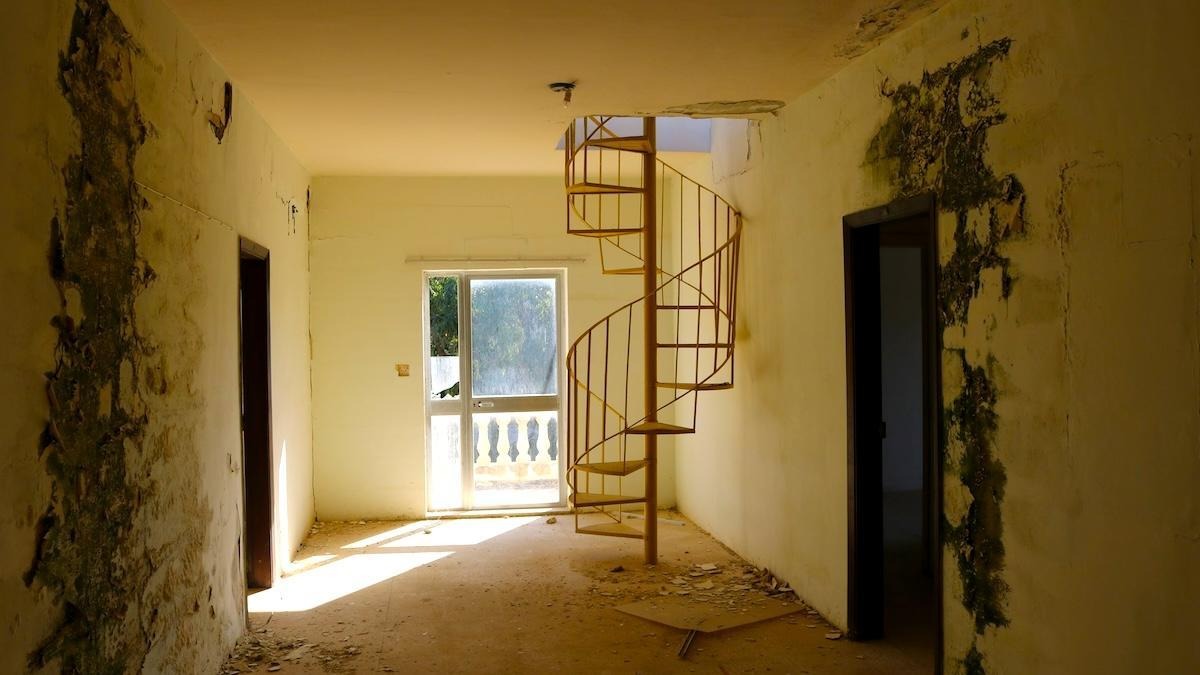
Mold is a very stealthy intruder that thrives in the damp, humid corners of homes, often going unnoticed until it becomes a significant problem. In places like South Florida, where high humidity and frequent water events are common, mold can lurk in unexpected places, compromising indoor air quality, damaging property, and posing health risks. While visible mold on walls or ceilings is easy to spot, it’s the hidden growth—tucked away in obscure areas—that often causes the most harm. This home mold guide uncovers the surprising places household mold hides, explores why it’s a serious issue, and explains why finding reliable mold removal services is the only reliable solution for tackling it effectively.
The Sneaky Nature of Mold
Mold is a type of fungus that flourishes in moist, warm environments, feeding on organic materials like wood, drywall, paper, or fabric. It reproduces by releasing microscopic spores into the air, which can settle in new areas and spark rapid growth under the right conditions. According to the Environmental Protection Agency (EPA), mold can begin growing within 24-48 hours of water exposure, making it a fast-spreading threat after leaks, floods, or even high humidity.
The Centers for Disease Control and Prevention (CDC) warns that mold exposure can trigger health issues, including coughing, wheezing, skin irritation, fatigue, and, in severe cases, respiratory infections or toxic reactions from mycotoxins produced by certain molds like Stachybotrys chartarum (black mold). Hidden mold is particularly dangerous because it can go undetected for months, releasing spores that degrade air quality and silently damage your home. Identifying and addressing these hidden growths requires more than a quick scrub—it demands professional expertise.
Hidden Places Mold Grows in Your Home
Mold doesn’t always announce its presence with obvious black spots. It often thrives in concealed or overlooked areas, making it critical to know where to look. Here are some of the most common hidden spots where mold lurks in households:
1. Behind Walls and Under Drywall
Water from leaks, poor insulation, or flooding can seep into wall cavities, creating a damp environment perfect for mold. Drywall, being porous, absorbs moisture and provides an ideal food source. Mold behind walls may go unnoticed until musty odors, water stains, or health symptoms emerge.
- Signs to Watch For: Bubbling paint, warped walls, or a persistent musty smell near certain walls.
- Why It’s Tricky: Hidden mold requires tools like infrared cameras or moisture meters to detect, which most homeowners don’t have.
2. Under Flooring and Carpets
Spills, floods, or high humidity can trap moisture under carpets, rugs, or flooring materials like hardwood, laminate, or tile. Subflooring, especially in basements or ground-level rooms, is particularly vulnerable in Florida’s humid climate.
- Signs to Watch For: Warped or discolored flooring, a damp smell, or soft spots underfoot.
- Why It’s Tricky: Lifting carpets or flooring to inspect for mold is labor-intensive, and improper handling can release spores into the air.
3. Inside HVAC Systems
Heating, ventilation, and air conditioning (HVAC) systems can harbor mold when moisture accumulates in ducts, filters, or drip pans. In Florida, where AC units run frequently, condensation can create a breeding ground, circulating spores throughout the home.
- Signs to Watch For: Musty air from vents, worsening allergies when the AC is on, or visible mold on vents.
- Why It’s Tricky: HVAC systems require specialized cleaning to remove mold without spreading spores, a task beyond most DIY capabilities.
4. In Attics and Crawlspaces
Poorly ventilated attics or crawlspaces, especially after roof leaks or heavy rain, are prime mold hotspots. Insulation, wooden beams, and stored items can absorb moisture, fostering hidden growth.
- Signs to Watch For: Musty odors in the attic, discolored insulation, or moldy cardboard boxes.
- Why It’s Tricky: These areas are hard to access and often ignored during routine home maintenance, allowing mold to spread unchecked.
5. Behind Appliances and Fixtures
Refrigerators, washing machines, dishwashers, and sinks often hide leaks or condensation that promote mold growth. Areas behind or under these appliances, especially in humid climates, are rarely checked.
- Signs to Watch For: Water stains, warped cabinetry, or moldy smells near appliances.
- Why It’s Tricky: Moving heavy appliances to inspect or clean is difficult, and mold may spread to adjacent cabinets or walls.
6. In Window Sills and Frames
Condensation from temperature differences or poorly sealed windows can lead to mold growth in sills, frames, or surrounding drywall, especially in Florida’s humid summers.
- Signs to Watch For: Black or green spots on sills, peeling paint, or damp window frames.
- Why It’s Tricky: Small patches may seem minor but can indicate deeper mold in walls or insulation.
7. Inside Furniture and Upholstery
Porous materials like mattresses, couches, or curtains can trap moisture from spills, humidity, or flooding, fostering mold growth inside the fabric or padding.
- Signs to Watch For: Musty odors from furniture, visible mold on seams, or allergic reactions when sitting on upholstered items.
- Why It’s Tricky: Cleaning deep within furniture requires specialized equipment, and many items may need to be discarded if heavily contaminated.
8. In Basements and Garages
Basements and garages, common in some Florida homes, are prone to mold due to poor ventilation, flooding, or stored items absorbing moisture. Concrete walls and floors can also trap dampness.
- Signs to Watch For: Damp or musty smells, visible mold on walls, or mildewed stored items.
- Why It’s Tricky: These areas are often neglected, and mold can spread to stored belongings or structural components.
Why Hidden Mold Is a Serious Problem
Hidden mold poses unique challenges that make it more than just a cosmetic issue:
- Health Risks: Airborne spores from hidden mold can trigger respiratory issues, skin irritation, or fatigue, especially in vulnerable groups like children, the elderly, or those with asthma. A 2020 study in the Journal of Allergy and Clinical Immunology linked mold exposure to increased allergic and respiratory symptoms.
- Structural Damage: Mold degrades organic materials, weakening drywall, wood beams, or flooring. Over time, this can lead to costly repairs, such as replacing rotted joists or entire walls.
- Air Quality Degradation: Hidden mold continuously releases spores, reducing indoor air quality and spreading contamination through HVAC systems or air currents.
- Spread to New Areas: Undetected mold can colonize new surfaces, making remediation more extensive and expensive. For example, mold in ducts can spread to every room in the house.
- Property Value Impact: Untreated mold can deter buyers, lowering your home’s market value. Professional remediation with proper documentation reassures future buyers.
Why DIY Mold Removal Falls Short
The temptation to tackle mold with household cleaners like bleach or vinegar is strong, especially for small, visible patches. However, DIY mold removal methods are ineffective and risky for hidden mold:
- Surface-Level Cleaning Only: Bleach and similar solutions don’t penetrate porous materials like drywall or wood to eliminate embedded mold hyphae (root-like structures). The EPA notes that bleach is only effective on non-porous surfaces like tiles.
- Spore Spread Risk: Disturbing mold without containment can release spores, worsening contamination. Scrubbing or vacuuming without HEPA filters is a common mistake.
- Missed Hidden Growth: DIYers lack tools like infrared cameras or borescopes to detect mold in walls, ducts, or subflooring, leaving the problem unresolved.
- Failure to Address Moisture: Mold returns if the underlying moisture source (e.g., leaks, humidity) isn’t fixed. DIY efforts often focus on cleaning rather than prevention.
- Health Hazards: Without proper personal protective equipment (PPE) like N95 respirators, DIYers risk inhaling spores or mycotoxins, exacerbating health issues.
For mold growth exceeding 10 square feet or in hidden areas, the EPA recommends professional remediation to ensure safety and effectiveness.
The Professional Remediation Advantage
Hiring a professional mold remediation company is the only reliable way to address hidden mold comprehensively. Here’s why it’s essential:
1. Advanced Detection
Certified remediators use specialized tools to locate hidden mold:
- Infrared Cameras: Detect temperature differences indicating moisture behind walls or ceilings.
- Moisture Meters: Measure dampness in materials to pinpoint mold-prone areas.
- Air Sampling: Identify spore types and concentrations, especially for toxic molds like black mold.
- Borescopes: Allow visual inspection of inaccessible areas like ducts or crawlspaces.
This ensures no mold is missed, unlike DIY inspections that rely on visual cues alone.
2. Effective Containment
Professionals prevent spore spread using:
- Negative Air Pressure Systems: Keep spores from escaping affected areas.
- HEPA-Filtered Air Scrubbers: Capture airborne spores, improving air quality.
- Sealed Barriers: Isolate contaminated zones, protecting the rest of the home.
These measures, outlined by the Institute of Inspection, Cleaning and Restoration Certification (IICRC), are critical for hidden mold in HVAC systems or wall cavities.
3. Thorough Removal
Professionals remove mold from both non-porous and porous materials:
- Non-Porous Surfaces: Cleaned with EPA-approved antimicrobial agents.
- Porous Materials: Often removed and replaced (e.g., drywall, carpet) to eliminate embedded mold.
- HEPA Vacuums: Capture spores during cleanup, preventing recontamination.
This ensures all mold, including hidden colonies, is eradicated.
4. Moisture Source Resolution
Professionals address the root cause of mold by:
- Fixing Leaks: Repairing plumbing, roofs, or windows to stop water intrusion.
- Improving Ventilation: Recommending exhaust fans or HVAC upgrades, especially in Florida’s humid climate.
- Reducing Humidity: Installing dehumidifiers to maintain levels below 50%, as advised by the Florida Department of Health.
This prevents mold from returning, unlike DIY methods that focus only on visible growth.
5. Health and Safety Compliance
Certified mold remediators follow strict safety protocols:
- PPE: Use respirators, gloves, and suits to protect workers and occupants.
- Proper Disposal: Remove contaminated materials according to local regulations.
- Post-Remediation Testing: Conduct air quality tests to confirm mold removal, as offered by top mold remediation companies in South Florida.
This minimizes health risks and ensures a safe living environment.
6. Insurance and Documentation
Professionals provide detailed reports for your homeowners insurance claims, which may cover remediation if mold results from a covered event (e.g., a hurricane). Quality mold remediation companies can assist with claims, streamlining the process. They also offer warranties, ensuring long-term protection.
Tips for Addressing Hidden Mold
If you suspect hidden mold due to musty odors, health symptoms, or recent water damage, take these steps:
- Don’t Disturb Mold: Avoid touching or cleaning moldy areas, as this can release spores. Wear PPE if you must inspect.
- Check Hidden Areas: Look for signs in attics, crawlspaces, behind appliances, or in HVAC vents. Use a flashlight to spot discoloration or growth.
- Monitor Humidity: Use a hygrometer to ensure indoor humidity stays below 50%. Run dehumidifiers in high-risk areas like basements.
- Contact Professionals: Call a licensed mold remediation company, such as Mold Only (MRSA1839/MRSR1960) for an inspection.
- Document Damage: Take photos for insurance purposes before remediation begins.
- Improve Ventilation: Open windows (if safe) or use exhaust fans to reduce moisture while awaiting professional help.
Why Florida Homes Are Especially Vulnerable
Florida’s climate—high humidity, frequent rain, and hurricane risks—amplifies the challenge of hidden mold. Areas like Miami, Tampa, or the Panhandle face constant moisture threats, making proactive inspections and professional remediation critical. Companies like Mold Only specialize in addressing Florida-specific mold issues, offering expertise in post-hurricane cleanup and humid environments.
Don’t Let Hidden Mold Take Over Your Home
Household mold is a master of disguise, thriving in hidden places like walls, HVAC systems, and under flooring, where it can silently damage your home and health. While DIY mold removal solutions may seem appealing, they fail to address hidden growth, moisture sources, or spore spread, often making the problem worse. Professional mold remediation companies, armed with advanced detection, containment, and prevention strategies, is the only way to ensure a mold-free home. If you suspect hidden mold, act quickly—contact a licensed and certified mold remediation company like Mold Only or others in town to protect your property and well-being.
