

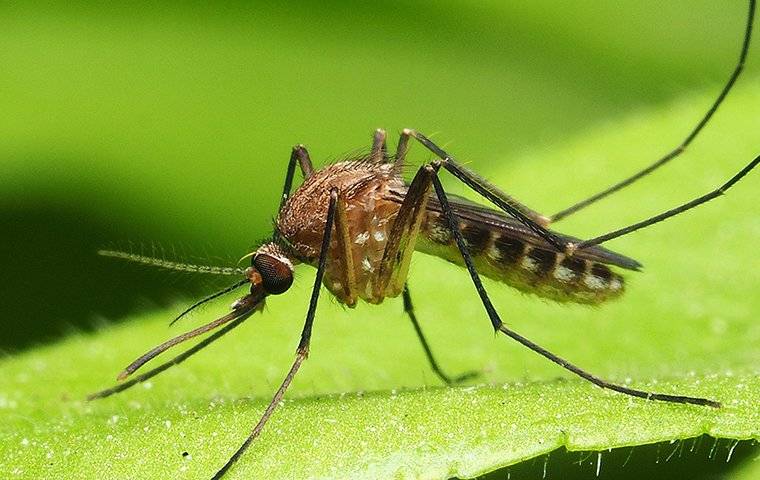
When Phoenix homeowners invest in beautiful backyard water features, they often overlook one thing that can turn a tranquil space into a buzzing nightmare. Fountains, ponds, and ornamental streams are a lovely addition to desert landscapes, but they are also ideal year-round mosquito breeding sites. While other areas endure cold winters that kill most mosquitoes, the unique and mild Phoenix climate is perfect for mosquitoes to stay active and breed year-round.
The only thing these factors lack is artificial water sources, and therefore, a good mosquito population explosion becomes a very real possibility, which then turns outdoor activity into a plethora of itchy bites. When mosquito infestations are out of control, talking to trained pest control experts from Green Mango Pest Control helps you keep your water features intact while ensuring your family stays comfortable.
A Look Into Phoenix’s Climate and Mosquito Activity
While many believe mosquitoes hibernate over the cooler months and only reemerge in the summer heat, the desert climate surrounding Phoenix offers a unique combination of conditions, allowing people to encounter these insects throughout the year. Mosquitoes in the Phoenix area never truly hibernate as they do in northern climates, where average winter temperatures stay well below 40°F.
According to the Arizona Department of Health, there are mosquitoes every month of the year in Maricopa County, with population surges occurring during monsoon season from June to September. That prolonged period of activity means any standing water in your backyard could become a breeding ground 8-10 months longer than in temperate climates, making water feature management a year-round necessity for those who live in Phoenix.
Role of Backyard Water Features In Increasing Mosquito Activity
-
Artificial Oases in the Desert
So, standing water becomes a giant mosquito magnet, and backyard water features turn Phoenix properties into mosquito paradises, all elements that these pests lack in the desert. According to research from Arizona State University, under optimal conditions, a single birdbath can yield more than 300 mosquito larvae within one week.
-
Temperature Control Benefits
The water features have less extreme temperature fluctuations than found in nature, providing comfortable microclimates that lengthen mosquito breeding seasons. Water, as a thermal mass, helps temper temperature extremes, so breeding areas stay within optimal ranges even when Phoenix experiences its significant weather swings.
-
Protected Breeding Environments
Features containing water, such as water lily pads, fountain basins, and pond edges, create sheltered environments wherein adult mosquitoes can rest and lay eggs out of the reach of desert winds and predators that might otherwise regulate their populations naturally.
-
Nutrient-Rich Conditions
In water features high in organic matter from plants, leaves, and algae, mosquito larvae have plenty of food to eat and grow. Such high nutrient density speeds up larval development, enabling mosquitoes to finish the life cycle much faster than in natural, nutrient-poor water bodies.
-
Multiple Breeding Zones
Complex water features have variable depths and flow patterns, resulting in discrete microhabitats that can be utilised by multiple species of mosquitoes in the same landscape element, thus amplifying breeding opportunities.
Keep Your Backyard Mosquito-Free With Professionals
Controlling mosquito populations around water features requires more than simple maintenance. It requires knowledge about local mosquito species, breeding, and integrated control methods. Green Mango Pest Control understands the various mosquito challenges in Phoenix, offering proven mosquito solutions, complemented by water feature adjustments that are aesthetically pleasing while eliminating breeding opportunities. They partner with homeowners to find trouble spots that may be overlooked, like hidden catch basins, blocked ditches, and areas where water gathers seasonally and comes to life during monsoon seasons.
The plan consists of routine monitoring and treatment schedules that respond to seasonal mosquito activity in Phoenix, maintaining protection during peak activity periods, and protecting non-target insects in a manner that minimizes effects on beneficial insects and wildlife.
